CONTACTCAREER OPPORTUNITIESADVERTISE WITH USPRIVACY POLICYPRIVACY PREFERENCESTERMS OF USELEGAL NOTICE
© 2026 Pride Publishing Inc.
All Rights reserved
All Rights reserved




By continuing to use our site, you agree to our Privacy Policy and Terms of Use.
Get your comfortable shoes on, because when you’re looking to experience the diverse opportunities in a foreign culture, you’re going to want to start your viewing pleasure during the day — but make sure you keep on going through night. When you’re hitting Europe’s best destinations, you’ll have plenty of museums and galleries and more to choose from, but why not also end it all with a cocktail, or two.
The first and last thing you will see in Cologne is, of course, its cathedral, which is Germany’s most visited site and the second largest Gothic cathedral in Northern Europe. It’s adjacent to the city’s train station and is a landmark that shouldn’t be missed. Located within easy walking distance are the Römisch-Germanisches Museum, where you can explore the Roman history of the Rhineland or, once you’ve had your fill of the old, check out the new at the Museum Ludwig, which has an impressive collection of modern art. For something a bit more tasty, head to the Rhine and the Schokoladenmuseum, which takes visitors on a journey of the 3,000-year history of chocolate and its production. You can also explore medieval religious art housed in Schnutgen Museum, built from 1130-1160. The museum once housed a nun convent and was originally built for noble canonesses. You won’t want to miss the nearby “crane houses,” a mixture of offices and apartments reminiscent of the shipping cranes once in the harbor. Continue your architectural tour by visiting Hohenzollern Bridge, originally built in 1946. Since 2008, tourists have turned the bridge into a German version of Paris' Pont des Arts by attaching locks along the bridges' fence. For a more intimate experience, try the Belgian Quarter, which isn’t a national enclave, but an area where all the streets are named after cities in Belgium. Here you’ll find a party atmosphere with bars and kioks with easy, friendly patrons. Grab a Kolsch (the standard beer) at St. Michael, a pub with the same name as the nearby church, where you’ll meet locals. Once ready for the gay nightlife, head to Rudolfplatz. a hub of activity. You may try to start off at the divey Schampanja (Mauritiuswall 43) for an authentic experience or the friendly Ex-Corner (Schaafenstraße 57-59), where patrons are used to tourists, and where it will surely only be the start of the evening.
When in Antwerp, everyone must visit the Grote Markt — mainly to see the gorgeous city hall (built in 1565), take a photo in front of Brabo’s statue (throwing a hand, where the city gets its name), and linger by the ostentatious Guild houses — but don’t get stuck in the tourist square. Instead search for the entrance to the Vlaeykensgang, a 16th-century alley that’s been preserved and also has cozy bistros and a gallery. After visiting the must-see Rubens House, the former home and studio of the painter, head over to the Plantin-Moretus museum, located in the monumental home of one of the inventors of book printing in the 15th-century. Stop in at MOMU, the fashion museum, to get a taste of why Antwerp has been a fashion destination since the 1980s or just travel down Nationalestraat, known as the fashion street, where designer Dries Van Noten has his flagship store. But it’s not all a high-end catwalk, so head in the other direction, toward the port, which is what has made Antwerp such an essential city for centuries. On the way, stop in at the Sint-Pauluskerk, which has a calvary mountain, a massive organ, and a unique collection of Rubens, Van Dijck, and Jordaens paintings. Once at the water’s edge you can’t miss MAS, the red tower that houses the museum of the city’s history (and has porcelain hands on the tiles). Also make time to visit both the Renaat Braem House (Menegemlei 23), the mid-20th century home of renowned designer Renaat Braem, complete with furniture, and the Rockox House (Keizerstraat 10-12), a specialty museum showcasing neo-style paintings, furniture, household goods, sculptures, and tapestries. Once you’ve exhausted, order a Deconinck at Red Star Cafe (Van Schoonbekeplein 9) or head on over to the stand-and-model Heffenhuis (Falconrui 59). If you’re feeling ambitious, head back toward Popi Café (Plantinkaai 12) over by the river. Then you’re sure to follow the trail to the string of late night boites.
You won’t have any problem finding options when it comes to an art-filled experience. Start with the National Gallery of Denmark in Copenhagen. Not only will you find artwork ranging from the Renaissance to contemporary in the permanent collection, a range of traveling exhibits keep things lively. Then, for a real excursion, head a bit further afield. Located in northern Zealand with a grassy, wooded sculpture park facing the Øresund, the Louisiana Museum of Modern Art (pictured) has had recent special exhibitions such as Women of the Avant Garde 1920-1940 and photographs by Andreas Gursky. But the environment outside and train trip there is as beautifully moving as the art inside, so pack a picnic and linger. But for a truly unique experience head to Christiania, an 85-acre "freetown" commune (since squatters took over military land in 1971), that is not entirely under the jurisdiction of the city. Assistens Cemetry is part of a graveyard, park, and museum combo where you can visit the graves of some of the most famous and prestigious Danish citizens, like Hans Christian Andersen and Soren Kierkegaard, who have died since the graveyards founding in 1760. For a more theatrical adventure, make your way to the Copenhagen Opera House, commemorated in 2005. Walk away from the crowds to discover small shops with homemade design objects. When it’s time to wind down, head to designer Fugu Cocktailbar. It stands for Freddy’s Unique Garden Union (and it does have a live fugu fish aquarium), but it’s the chill, relaxing atmosphere that makes it a great inexpensive destination: in the outdoor Asia-centric garden, you’ll forget you’re even in Denmark. But once you’re ready for a bit more action, head to Cosy Bar, which attracts a younger crowd who like to dance until the early morning hours, or another of Copenhagen's numerous LGBT hotspots.
Stockholm is as much a collection of islands as it is a city, best viewed by hopping from one floating oasis of artistic culture (and drinking) to another. Start at the Millesgården, a sculpture garden, antique museum, and art gallery originally built as the home and artistic studios of sculptor couple Carl and Olga Milles. If you have a day to make a trip, check out Drottningholm Palace located in Drottningholm. This palace is a World Heritage Site due to its importance in Danish history and the collective representation of 1600s European architecture. Make sure to visit the Chinese Pavilion and palace theatre before strolling around the garden. Another historical site you might want to visit would be The Royal Armoury (Slottsbacken 3), which houses 500 years of royal history. Included in the permanent collection is the costume worn by Gustav III the night he was killed by a gunshot wound to the lower back during a masked ball in 1792, and playthings from the royal children throughout the years. For those looking to combine nighttime activities with art, head immediately to the downtown island of Djurgärden and check out the Spritmuseum. A museum for Swedish liquor, it functions as a crash-course in the joys of local drinking culture (don’t miss the Absolut art collection, boasting contributions from the likes of Andy Warhol, Keith Haring, and Annie Liebovitz). If the artwork inspires you to purchase some of your own, the next stop must be world-famous auction houses Bukowski’s or the Auktionsverk. The latter, also known as the Stockholm City Auction House, opened in 1674 and is the world’s oldest. Auctioning is thirsty work, so once you’re done it’s best to head south to the island of Kungsholmen and check out the Malarpaviljongen, a floating bar/restaurant that attracts lots of gay party-folks during the warm months. Finally, you must check out Berns, the historic hotel, concert hall, and art venue, and most importantly its basement gallery-cum-nightclub 2:35+1.


From our Sponsors
Most Popular

Just in Time for Pride – The 15 Gayest Cities in the World in 2023
April 12 2023 6:47 PM
The 13 Least Visited National Parks
January 07 2023 5:00 AM

Get Soaked! with These 35+ Steamy Pool Pics From This Year’s White Party
May 25 2023 9:29 AM

20 Thirsty Pics of #SniffiesRush Campaign Celebrating Frat Life
December 16 2022 3:19 PM
25 Thirsty Pool Party Pics from White Party Palm Springs 2022
April 14 2023 5:55 PM
Sniffies Reveals Horniest Cities
December 22 2022 4:15 PM
15 Thirsty Pics of Moot Lingerie for Men
March 21 2023 7:41 AM

The 7 Best Nude Beaches for Gays in the U.S.
June 09 2022 4:00 AM

The Most Dangerous (& Safest) Countries for LGBTQ+ Travel
March 22 2023 5:00 AM
Outtraveler: Featured Video
Latest Stories
Turtle Inn is a dreamy Belize beach escape for LGBTQ+ travelers
March 02 2026 6:01 AM

Montréal, Canada is the perfect gay destination for a steamy winter vacation
February 23 2026 3:00 PM
A gay solo traveler goes bear-hunting in Barcelona
November 13 2025 4:31 PM
More than a month: Prioritizing LGBTQ+ health year-round
October 15 2025 12:27 PM

UNITY at Sphere is the perfect Las Vegas attraction for gay tourists
October 03 2025 5:09 PM
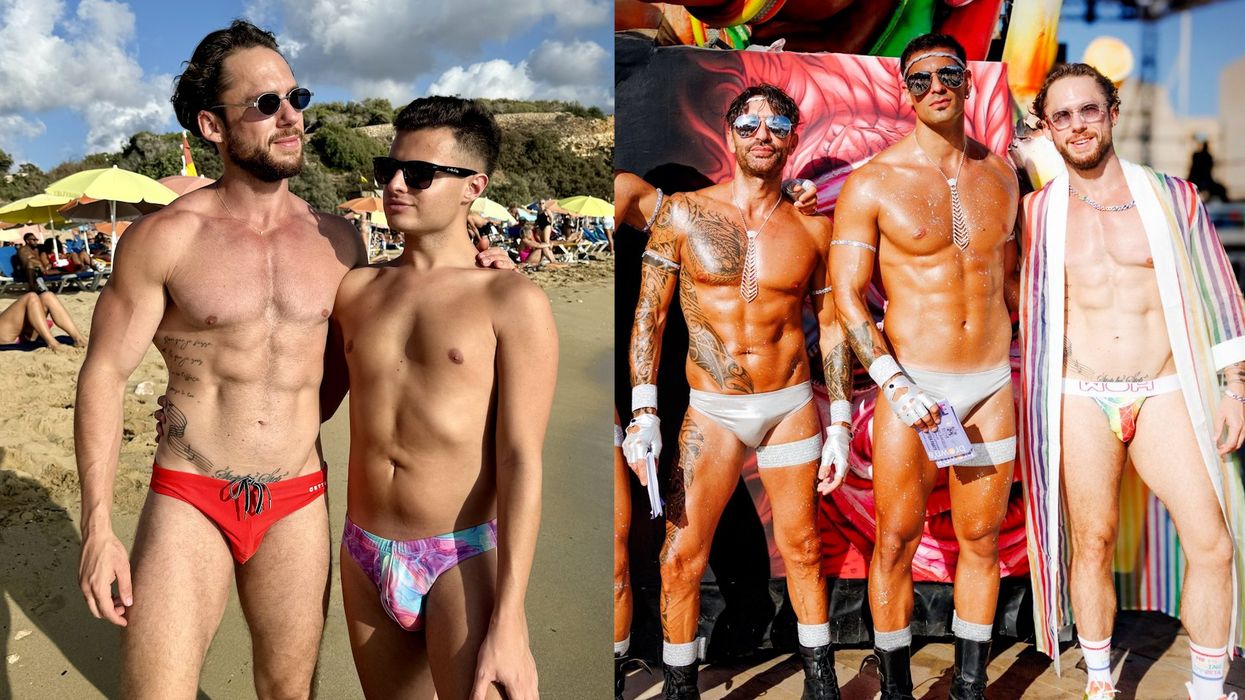
Malta is the secret Pride destination where gays are going wild
September 18 2025 4:47 PM
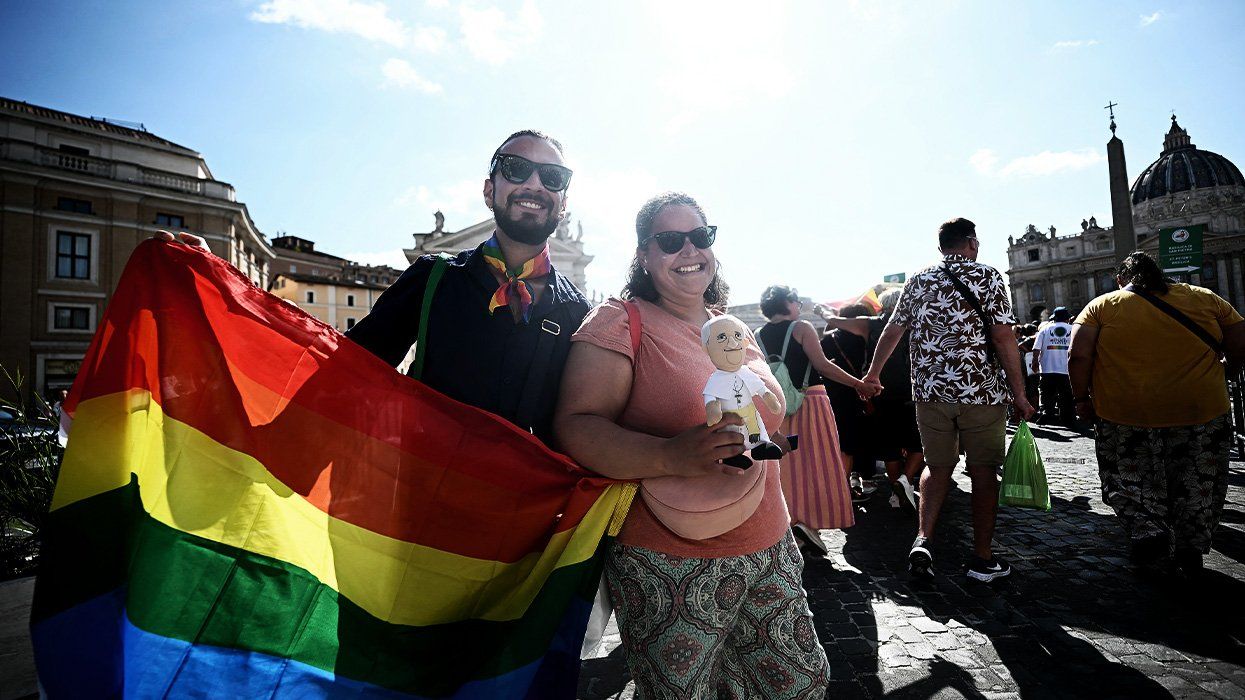
What is a Jubilee? These Catholics just became the first LGBTQ+ people to participate
September 08 2025 12:49 PM

Marriage equality will be banned in these 31 states if Obergefell is overturned
September 08 2025 10:40 AM
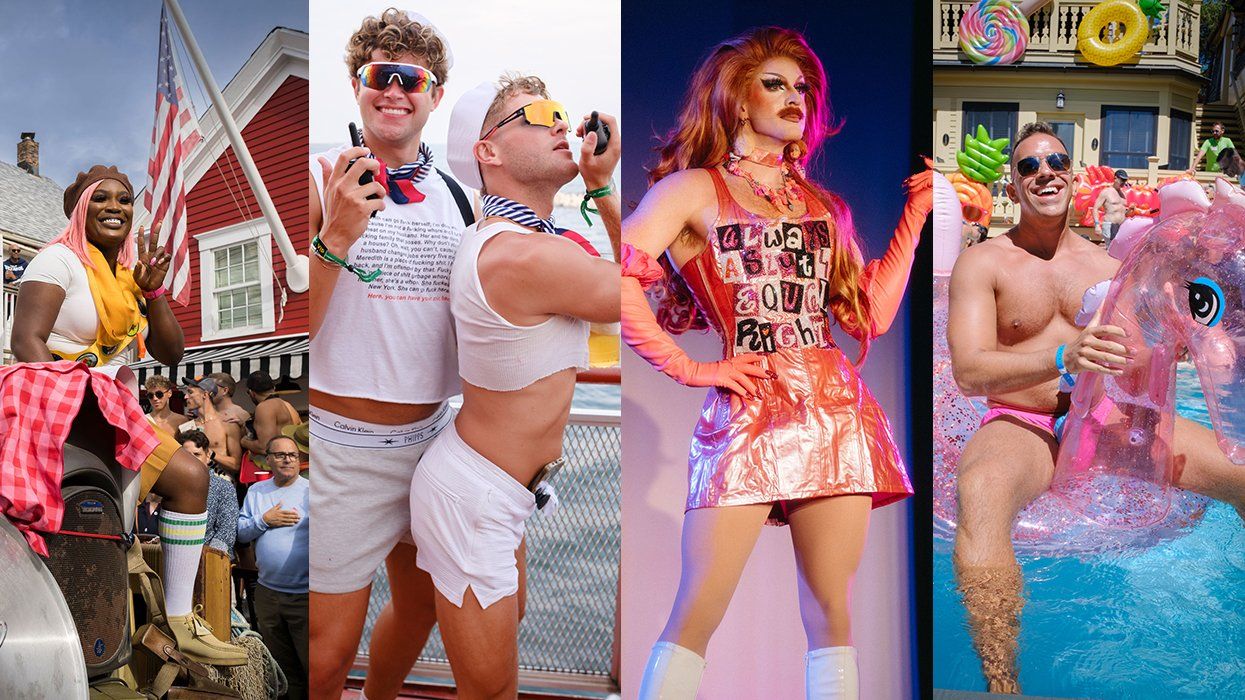
Explore the camp, parties, and parade of Provincetown Carnival 2025
September 05 2025 7:03 PM

My big gay Broadway summer
August 27 2025 9:27 AM
Explore Zurich with Swiss style icon Susanne Bartsch
August 25 2025 9:46 AM

Splash House is the secret Pride festival where gays can truly let loose
August 22 2025 9:00 AM
When love sinks, set sail for the Hudson Navigator
August 15 2025 6:00 AM
Need an escape from American anxiety? Consider Colombia.
July 16 2025 11:47 AM
This heavenly hotel in the heart of Hell's Kitchen is the perfect oasis
June 26 2025 6:00 AM

Top 10 LGBTQ+ beach towns perfect for Pride and summer fun
June 05 2025 1:54 PM
Checking out: nhow London, the city’s coolest hotel
June 02 2025 8:45 AM
Cruising the world helped this gay couple find lasting love
May 31 2025 2:45 PM
Gays went feral at an iconic Pride celebration in Pensacola, Florida
May 30 2025 6:00 AM
Trending stories